What Is the Best Pest Control for Mice? A Complete Guide to Getting Rid of Mice for Good
If you have ever heard scratching in the walls at night or opened a pantry to find tiny chew marks in your cereal box, you already know the uncomfortable truth. Mice do not ask for permission. They simply move in.
The good news is that there are proven methods that actually work. The better news is that with the right pest control services, you can stop the problem before it turns into a full blown infestation.
In this guide, we will break down what truly works for mouse control, what does not, and how to protect your home long term.

Why Mice Are So Hard to Get Rid Of
Mice are small, fast, and surprisingly clever. They can squeeze through openings the size of a dime. Yes, a dime. If that fact does not make you want to inspect every inch of your home, it probably should.
The biggest challenge with mice is not just killing one or two. It is stopping the entire population from growing. Mice reproduce quickly. A single female mouse can have multiple litters each year, and each litter can contain several babies. What starts as one mouse can turn into many before you even realize what is happening.
Here are a few reasons mice are difficult to control:
- They hide well: Mice are experts at staying out of sight. They nest inside walls, attics, crawl spaces, and behind appliances.
- They are mostly active at night: By the time you see one during the day, there is often a larger problem behind the scenes.
- They contaminate food and surfaces: Mice leave droppings and urine trails, which can spread bacteria and create health risks.
- They chew constantly: Mice need to gnaw to keep their teeth from growing too long. That means they chew wood, insulation, wiring, and more.
Because of these factors, the best pest control services for mice focus on more than just traps. They address the root of the problem.
The Most Effective Pest Control Services for Mice
If you are wondering what the best pest control for mice is, the honest answer is a combination approach. There is no single magic product that solves everything overnight.
Professional pest control services typically use a strategy that includes the following steps:
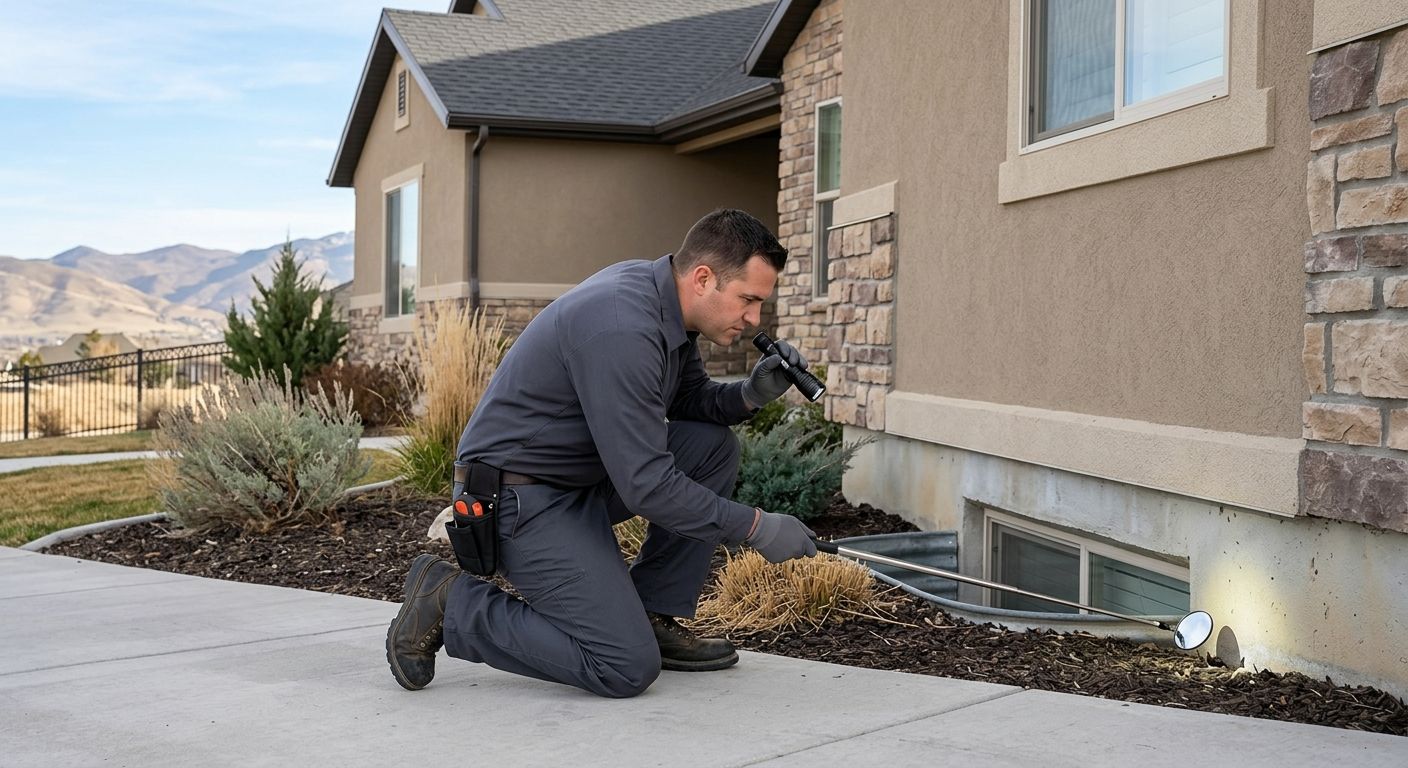
Inspection
A thorough inspection identifies:
- Entry points around the exterior of the home
- Active nesting areas
- Signs of droppings and damage
- Food and water sources attracting mice
Without inspection, treatment becomes guesswork. Guesswork rarely solves a mouse problem.
Exclusion
Exclusion means sealing up entry points. This step is often the most important.
Professionals may:
- Seal cracks and gaps with durable materials
- Install door sweeps
- Repair damaged vents or screens
- Close gaps around pipes and utility lines
If you do not block the entry, new mice can replace the ones you remove. It becomes a revolving door situation, and nobody wants that.
Trapping and Removal
Trapping is still one of the most effective ways to remove active mice. Professionals know:
- Where to place traps
- How many traps are needed
- Which type of traps work best for the situation
Strategic placement makes a huge difference. A single trap in the wrong location will not do much.
Ongoing Monitoring
Many pest control services offer ongoing monitoring and maintenance. This ensures that if new activity appears, it is caught early before becoming a major issue.
The best mouse control plans are proactive, not reactive.
DIY Mouse Control vs Professional Pest Control Services
It is tempting to handle mice on your own. After all, the hardware store has an entire aisle dedicated to traps, bait, and repellents. But do these solutions actually work?
Let us break it down.
DIY Options
Common DIY methods include:
- Snap traps
- Glue boards
- Poison bait
- Ultrasonic repellents
- Essential oil sprays
Some of these can work in small, isolated situations. For example, snap traps can be effective if you have identified a clear travel path. However, DIY efforts often miss hidden nests and entry points.
Poison bait can also create problems. If a mouse consumes poison and dies inside a wall, you may end up with unpleasant odors for days or even weeks.
Ultrasonic devices and scented repellents tend to offer mixed results at best. Mice are adaptable. What bothers them today might not bother them tomorrow.
Professional Approach
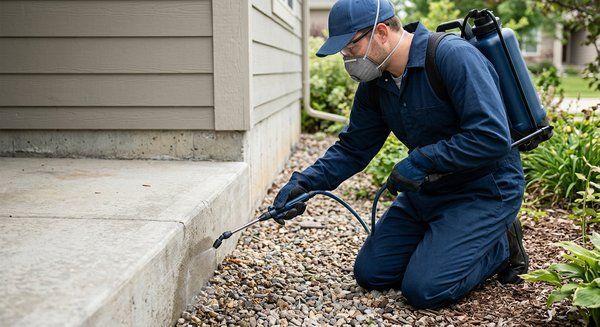
Professional pest control services go beyond simply setting traps. They:
- Identify the source of the infestation
- Use targeted treatments
- Seal access points
- Provide follow up visits if needed
While DIY solutions may seem cheaper at first, they can cost more in the long run if the problem keeps coming back.
If you are hearing scratching every night and seeing droppings regularly, it is usually time to call in experienced pest control services.
How to Prevent Mice from Coming Back
Getting rid of mice is only half the battle. Prevention is what keeps your home protected long term.
Here are practical steps homeowners can take:
- Store food properly: Use sealed containers instead of leaving food in original packaging.
- Take out trash regularly: Do not allow garbage to sit inside for long periods.
- Clean up crumbs and spills: Even small food particles can attract mice.
- Seal cracks and openings: Walk around your home and look for gaps near the foundation, windows, and doors.
- Trim vegetation away from the house: Overgrown bushes can provide cover for rodents.
- Keep garages and sheds organized: Clutter creates hiding places and nesting materials.
Pairing these steps with professional pest control services creates a strong defense system.
Remember, mice are looking for three things: food, water, and shelter. If your home offers those, they will try their luck.
Signs You Need Immediate Mouse Control
Sometimes the signs are subtle. Other times, they are impossible to ignore.
You should consider calling pest control services if you notice:
- Droppings in cabinets or along baseboards
- Scratching noises inside walls or ceilings
- Chewed food packaging
- Nesting materials such as shredded paper
- Strong, musty odors
Seeing a mouse during the day can also indicate a larger infestation. Mice usually stay hidden. Daytime activity may mean competition is forcing them out.
If you have pets, they may also alert you. Dogs and cats often stare at walls or specific corners where mice are active. They might not be imagining things.
Call Eyring Pest Control for Professional Rodent Control in West Jordan, UT
If mice have turned your peaceful home into their personal playground, it is time to take action. At Eyring Pest Control, we provide professional rodent control in West Jordan, UT and the surrounding areas. Our pest control services are designed to locate the source of the problem, remove active mice, and prevent them from coming back.
Do not wait until the scratching gets louder or the damage gets worse. Call our team today at
385-290-9782 to schedule expert rodent control. We also offer ant control, spider control, and wasp control to protect your home from a wide range of pests. Whether you are dealing with mice now or want to prevent future infestations, we are here to help keep your home comfortable and pest free.
Frequently Asked Questions
What is the fastest way to get rid of mice?
Trapping combined with sealing entry points is typically the fastest and most effective solution. Professional pest control services can speed up the process by identifying hidden nests and problem areas.
Are mice dangerous to my health?
Yes. Mice can spread bacteria and contaminate food surfaces with droppings and urine. They can also trigger allergies and asthma symptoms in some individuals.
How do mice get into homes?
Mice can squeeze through tiny openings in foundations, around doors, and near utility lines. Even small cracks can serve as entry points.
Do ultrasonic mouse repellents work?
Results vary. Some homeowners report short term success, but mice often adapt. These devices are not a reliable standalone solution.
How long does professional mouse treatment take?
The timeline depends on the severity of the infestation. Some situations improve quickly, while larger infestations may require follow up visits to ensure complete control.
Our Recent Articles